Working Animals International
I have been a member of Working Animals International, previously called SPANA, for many years, and have reflected on all the charity’s achievements over the years.
These working animals, including, donkeys, horses, mules, camels and oxen are often overworked, overlooked and many don’t receive their basic needs of rest, food and water, or veterinary care.
I am reminded of this verse from the Bible, Proverbs 27:23: “Be sure you know the condition of your flocks, give careful attention to your herds.”
God requires merciful treatment and care to his herds and all his creatures on earth.
After I received Working Animal news this summer, I spoke to their communications team with some questions regarding their new name change and their future work. I wanted to share this interview with you here:
You have a new name! With a stronger voice for working animals, does this mean you hope to reach out to more remote areas of the world to care for more animals in need?
We were thrilled to launch our new name, Working Animals International, and identity in April to our supporters. We really appreciate all the positive feedback we’ve received.
Our previous name didn’t always make it clear who we are or what we do. Working Animals International immediately communicates our mission to transform the welfare of working animals in a world where animals, people and the environment are respected and thrive. It gives us a stronger platform to champion working animals, raise awareness of the vital role they play in supporting millions of people, and ensure they are no longer overlooked. As Working Animals International, we hope to reach more working animals in need, support more owners, build even stronger partnerships and create change that lasts.
Our mission hasn’t changed. We’ll continue working alongside trusted local partners and with the communities where the need is greatest, improving the lives of working animals through increased access to veterinary treatment, skills, knowledge and resources, and campaigning for policy change.
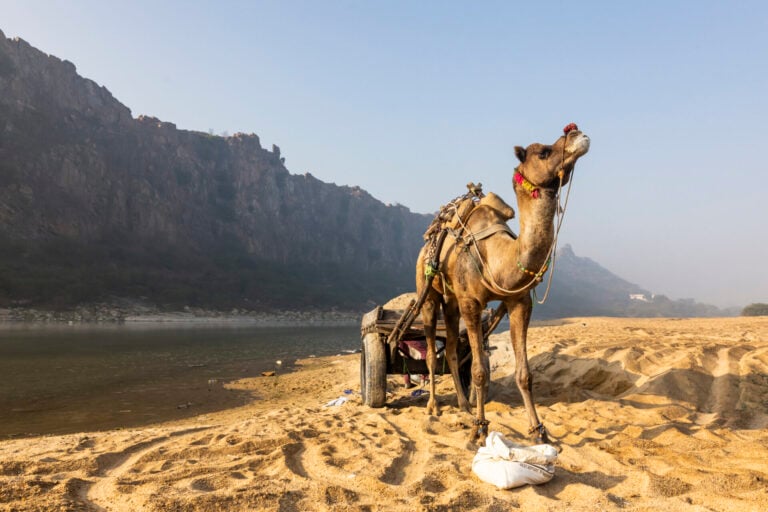
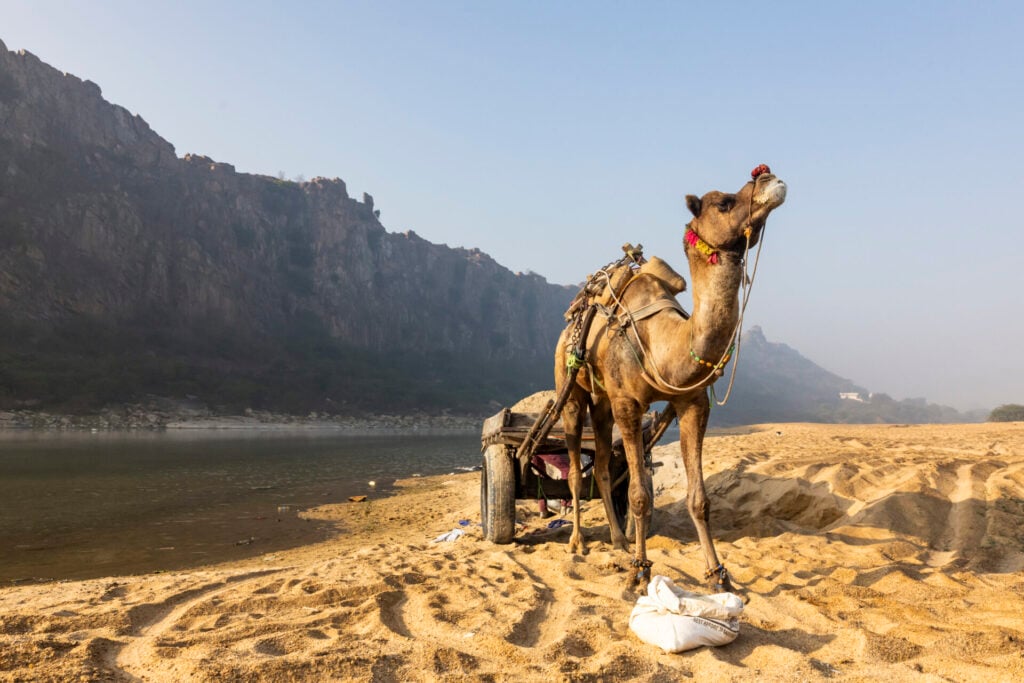
Which are the main working animals you support? I was particularly interested in your work with camels, working in the hottest locations on earth – they are such amazing animals and often forgotten and neglected.
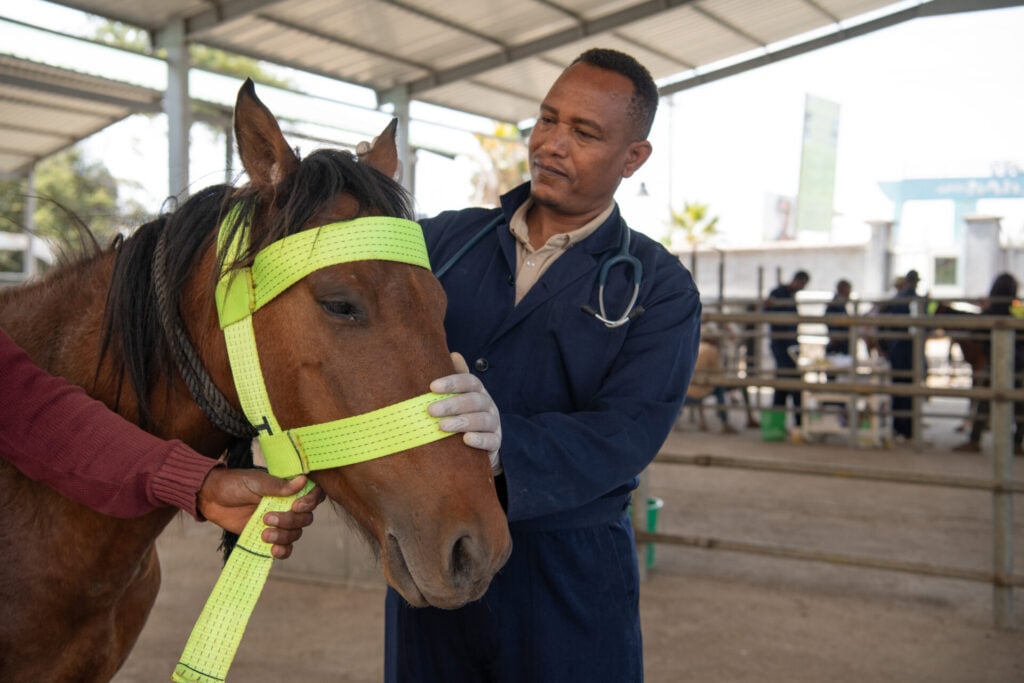
A staff treats Abera’s horse, Dama, inside the SPANA Center Veternary Clinic, in Bishoftu, Ethiopia. His horse that he uses to provide transport service is diagnosed with Tetanus hence, has to stay in the clinic for a few weeks until it gets better.
There are an estimated 200 million working horses, donkeys and mules globally. These working animals support countless people, yet their critical role is often unrecognised by policy makers, and as such their welfare needs can often be overlooked. We support different species of working animals within the communities that depend on them, including horses, donkeys, mules, camels and oxen. We work with partners in Mali, Mauritania, Morocco, Zimbabwe, Ethiopia, India, Tanzania, Iraq, Botswana, Cameroon, Guatemala, Kenya and Zambia.
Despite the critical role of working animals in some of the toughest locations on earth, it can be challenging for owners to support their welfare. There are minimal opportunities to learn about working animal care and limited, or no, access to veterinary treatment, the cost of which can be prohibitive.
To address working animal welfare needs in extremely complex countries we work closely with local partners to deliver accessible programmes that aim to improve all aspects of a working animal’s life. We offer practical welfare support, veterinary care and educational learning for owners, communities and children to help them value and look after their animals with confidence and care. We also advocate at local and global levels to elevate the profile of working animals, demonstrate their worth and make working animal welfare impossible to overlook.
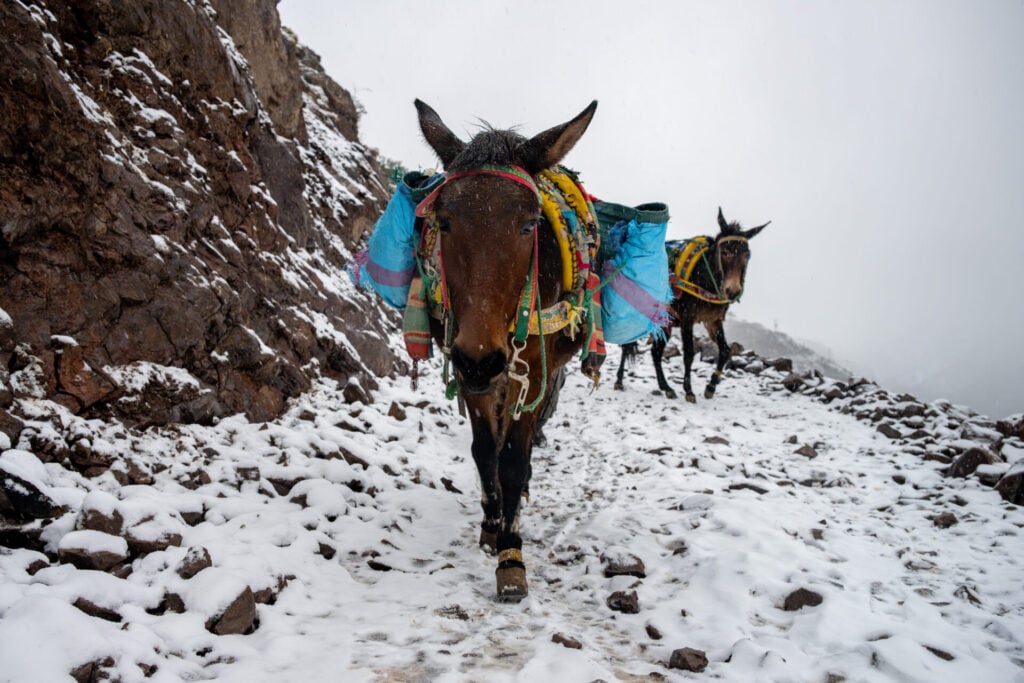
This work, for example, includes providing professional veterinary services to the mules who live in the remote villages of the High Atlas Mountains, in Morocco. We also help the donkeys who work so hard hauling cartloads of waste at rubbish dumps in Bamako, Mali. And with our partner Help in Suffering, in Rajasthan, India, we’re helping working camels in rural villages and brick kilns.
We’ve also just launched a brand-new project working with camels in Ethiopia for the very first time.The Afar region is one of the largest camel rearing areas in Ethiopia, and camels are fundamental to the region. They’re used for transportation and are essential to the livelihood of the local community. Working alongside our partners Addis Ababa University College of Veterinary Medicine and Samara University, we’ll ensure camels in Afar have regular access to professional veterinary care. We’re also hosting community training workshops to help owners develop their camel care skills.
I have a particular deep concern for the donkeys and mules that carry enormous loads on their backs in difficult conditions – I have seen it myself and will never forget it. Could you highlight the story of the donkey Fidele working in Mali, and your marigolds appeal.
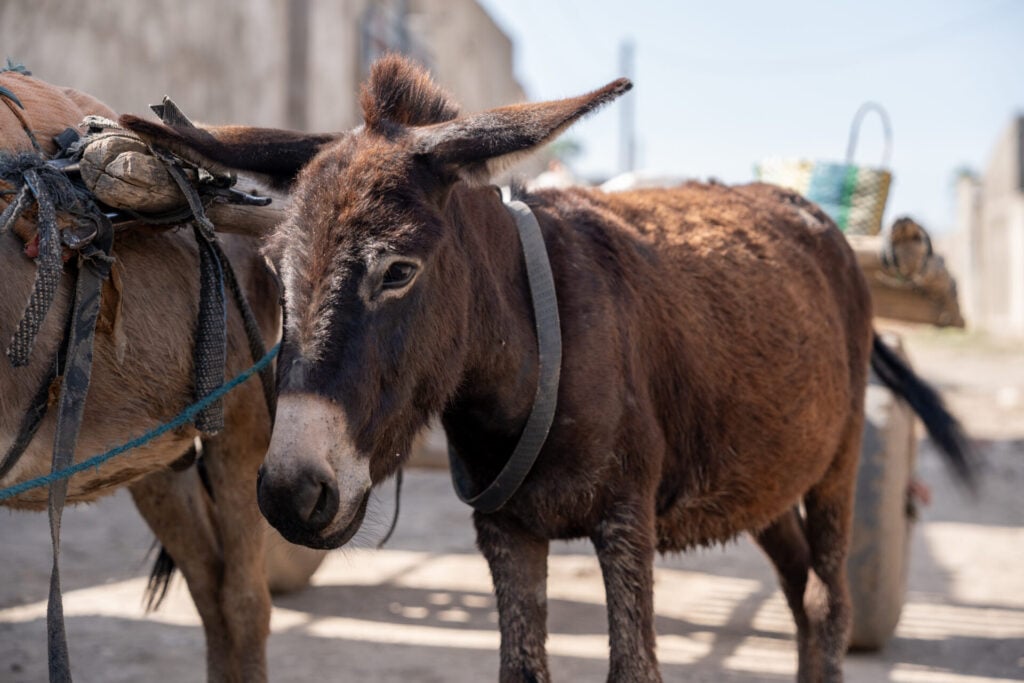
Fidele is a donkey who works long hours in a rubbish dump in Mali’s capital city, Bamako. Day after day, he pulls a rubbish cart alongside his owner, 20-year-old Adama. This difficult work in temperatures regularly above 40C allows Adama to earn an income to support his family.
Fidele was malnourished. He also had an infestation of scabies mites, causing his skin to be sore and itchy and leading to painful infected wounds. Thanks to our wonderful supporters, we were able to treat Fidele’s scabies, provide antibiotics for his infection and give him dental care so he could eat without pain and regain a healthy weight. Adama now knows how to prevent future wounds and malnutrition. Sadly, this is the reality for many working animals around the world. That’s why we recently launched our marigold appeal, to give working animals the recognition and essential care they need and deserve.
Our marigold appeal is asking supporters to kindly donate to help working animals like Fidele, and to wear a Marigold badge with our new logo at the centre to show their support of working animals this summer. Marigolds are a symbol of love, commitment and solidarity in many of the countries where we work. You can find out more about our marigold appeal and how to get your marigold badge here.
Finally, your animal health and welfare centre in Tsholotsho, how does this work?
Our new animal health and welfare centre in Tsholotsho was officially opened on World Donkey Day (8 May) with celebrations including a brilliant performance from children about the importance of donkeys.
The centre puts working animal welfare at the heart of the community in Tsholotsho, a rural area of Zimbabwe. More than half the families living there own a donkey and rely on them for daily tasks.
Our Tsholotsho hub includes a veterinary clinic, in-patient stables, water trough, exercise area and community training building for workshops and harness making. We are also running over 40 of our Animal Care clubs for schoolchildren.
To find out more about Working Animals International, you can visit their website here, www.workinganimals.org, or you can telephone them on +44 (0)20 7831 3999.
Janet Murphy
ASWA Committee Member