ifaw Conservation and Room to Roam for the African Elephant
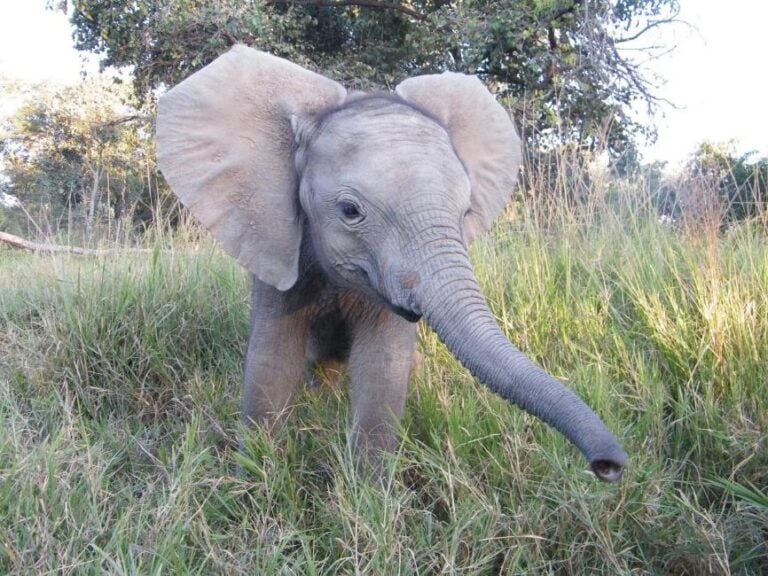
The scientific name of the African savannah elephant is Loxodonta africana, a reference to the shape of its teeth. African elephants are the world’s largest land mammals and require extensive space and food. They consume vast quantities of vegetation, and their roaming habits have a major impact on surrounding landscapes and ecosystems. They form strong family bonds and live in groups of about 10 adult females and calves. Bulls may form bachelor groups or roam alone, joining female groups to mate.
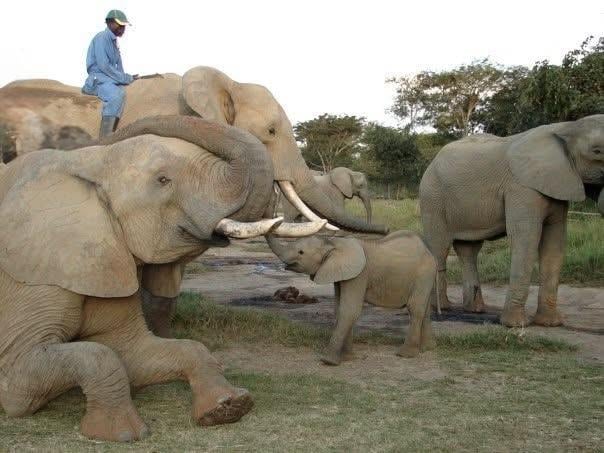
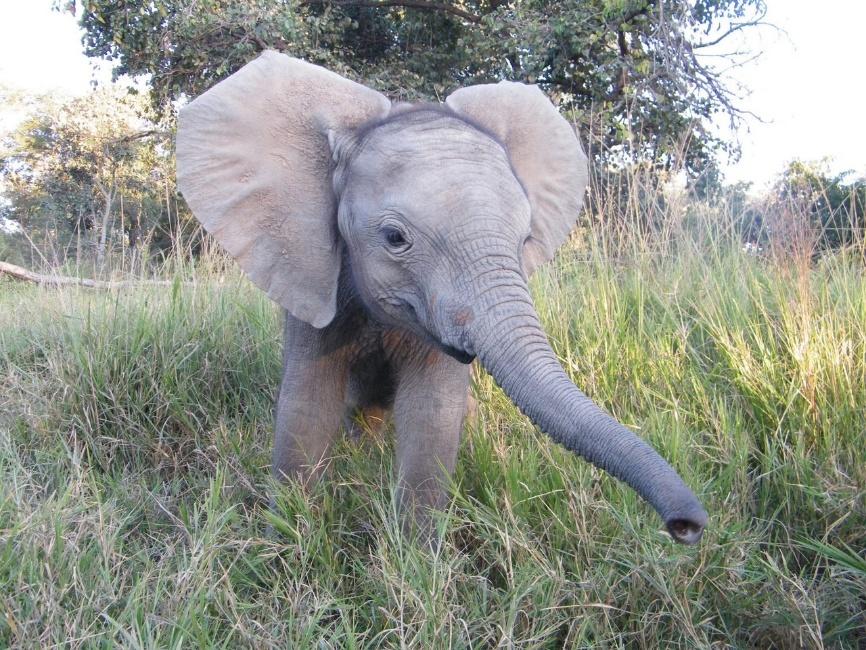
I was born in Zimbabwe in 1975, during the civil war. Growing up surrounded by wildlife gave me an enduring love for animals, and I have been privileged both to care for many different pets and to spend time in the bush near wild elephants—an animal particularly close to my heart. Watching elephants roam freely in their natural habitat is a sight that lifts the soul, and I believe every creature should have the freedom to roam. The IUCN classifies the African savannah elephant as endangered. I have also seen orphaned baby rhinos and watched rhinos being dehorned in an effort to save their lives: when humans wage war, animals suffer too. In 2009, in Chinhoyi, Zimbabwe, I met a rescued elephant herd that had been kept together after poaching: Rambo, a large male; Mary, the matriarch; Aunty Lexus; and the newest member, a two-week-old calf named Lucky. Lucky survived, grew up and now roams in a reserve outside Harare. That memory remains close to my heart and leads me to highlight the work of ifaw, the International Fund for Animal Welfare.
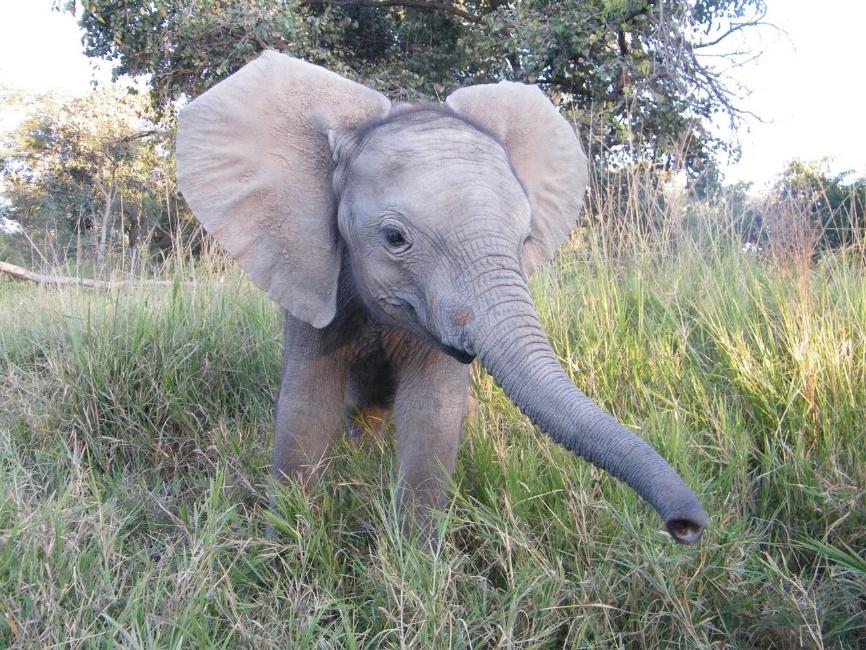
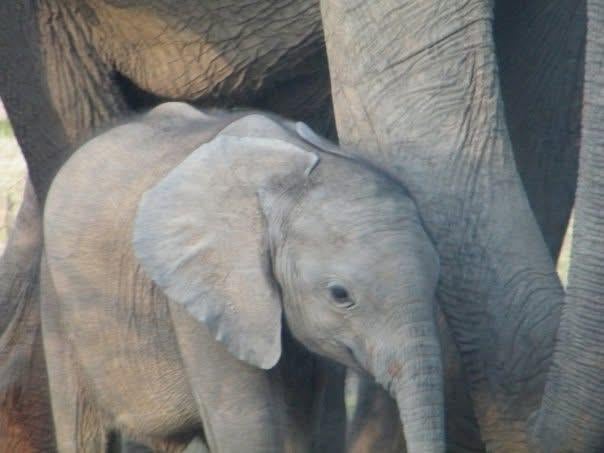
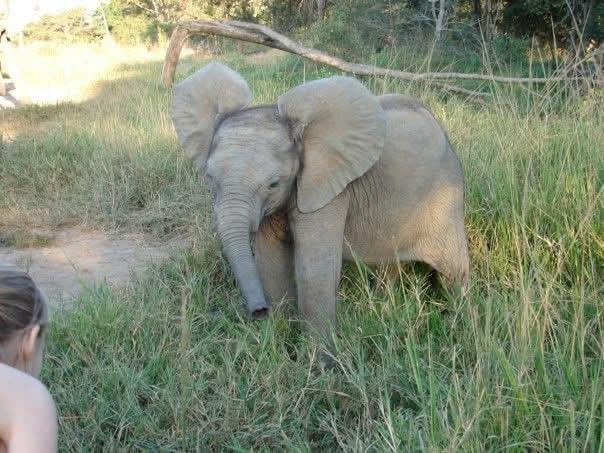
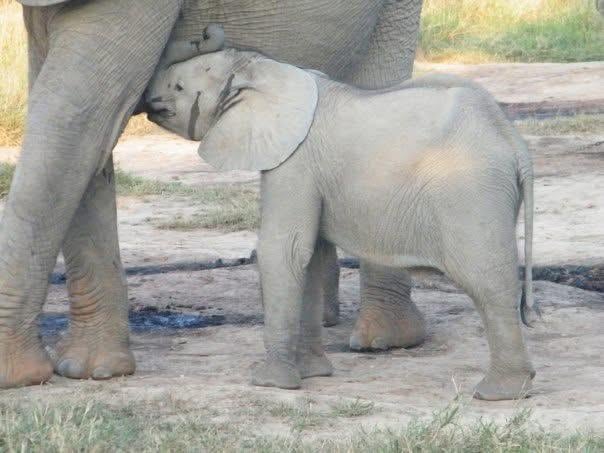
The International Fund for Animal Welfare (ifaw) is a global non-profit that helps animals and people thrive together. Its experts and supporters work across seas and oceans and in more than 40 countries. ifaw rescues, rehabilitates and releases animals while restoring and protecting their natural habitats. Because the problems it addresses are urgent and complex, it combines fresh thinking with bold action. It partners with local communities, governments, non-governmental organisations, and businesses to pioneer innovative ways for all species to flourish. This work is powered by human connections.
The problems ifaw face are growing larger and more complex every day. More online trafficking. More ocean noise. More powerful storms. This non-profit has been around for fifty years, but they are aware that solutions can’t stay the same. They must be nimble, curious, and open to new partners. In short, they must think, and act, differently. When euthanasia seemed like the only option for stranded marine mammals, ifaw found another way. They developed new technology to safely release them back into the ocean. When people in Bali were getting sick after natural disasters, they found the source: unvaccinated dogs. Now, they are making sure that island dogs get their rabies vaccines. And when ifaw wanted to stop whale hunting in Japan, they called up the very last entity you could imagine: the Icelandic Tourism Board.
They are not just finding a different way to do things. ifaw are finding a better way. They made things happen and believe that every animal matters. Every animal is part of a species, and every species depends on its habitat for survival.
Room to Roam: a visionary approach to conservation in Africa.
Elephants play a critical role as ecosystems engineers. Protecting them and the landscapes in which they roam helps to protect other wildlife, plants, habitats and helps mitigate climate change. Protecting wildlife and healthy ecosystems is critical for saving the planet. To thrive, wild animals need safe routes to move freely through countries, over borders, and at a safe distance from humans.
20 years
Room to Roam is based on more than 20 years of science and engagement with local communities.
330, 000 Elephants
The work of ifaw is helping 330,000 elephants roam across landscapes.
10 key landscapes
ifaw are implementing Room to Roam in 10 key landscapes in East and southern Africa.
Room to Roam is based on 4 Pillars
- Science
- Climate Resilience
- People
- Rescue to release
We don’t always get the opportunity to travel to Africa or remote places, but there are many other ways in which we can get involved and support organisations like ifaw. Please explore their website https://www.ifaw.org/uk and resources and discover how you can make a difference. https://www.ifaw.org/uk/support
Psalm 145:9: “God is good to one and all; everything he does is soaked through with grace. The Message translation.
Sherry-Ann Taylor
ASWA Committee Member
All above photography by Sherry-Ann Taylor